
All articles
Walmart's Retail Operation's Robot Army Is Winning the Delivery Wars
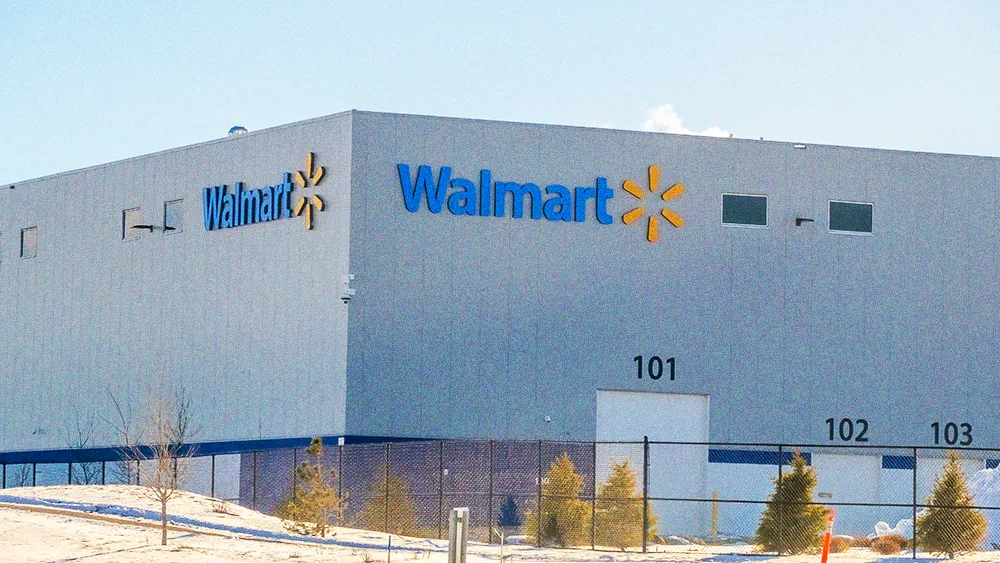
Walmart's global e-commerce sales surge 27%, driven by a supply chain automation system that now handles over half of its e-commerce volume.
Key Points
- Walmart's global e-commerce sales surge 27%, driven by a supply chain automation system that now handles over half of its e-commerce volume.
- The company's same-day delivery sales have increased by nearly 70%, with its rapid delivery network now covering 95% of U.S. households.
- To reinforce its tech-focused strategy, Walmart is moving its stock listing from the NYSE to the Nasdaq on December 9.
- The retailer is also piloting an AI-powered delivery system that provides minute-by-minute ETAs, with some tests promising delivery in under 30 minutes.


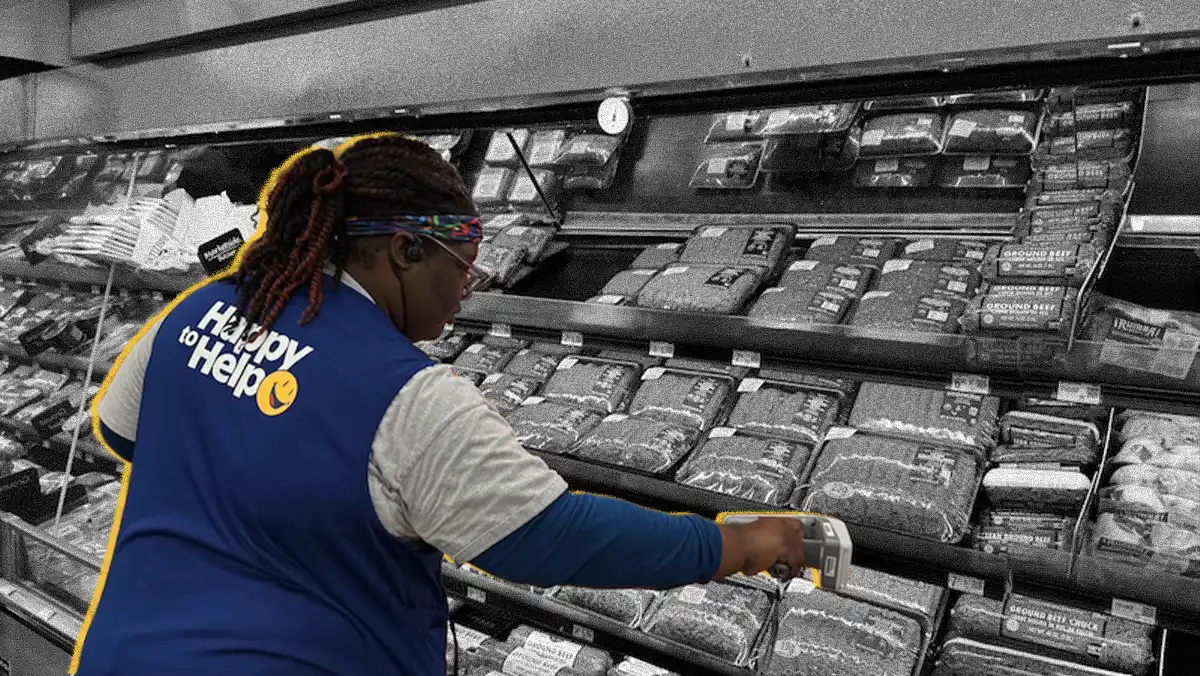
Walmart's massive investment in supply chain automation is paying off, with its latest earnings report revealing a 27% surge in global e-commerce sales. The growth is fueled by a robotic overhaul that, as reported by Supply Chain Dive, now services over 60% of its U.S. stores and handles more than half of all e-commerce volume.
Robots make it rain: The automation push is directly hitting the bottom line. CFO John David Rainey confirmed the tech translates into "lower shipping costs," noting that the company has seen consistent double-digit improvements that boost its e-commerce economics.
Speed is the new currency: For customers, the primary benefit is speed. Same-day delivery sales have skyrocketed by nearly 70%, with more than a third of all store-fulfilled orders now landing on doorsteps in under three hours. The company’s rapid delivery network now covers 95% of U.S. households.
From retailer to tech giant: To solidify its tech-forward identity, Walmart is moving its stock from the NYSE to the Nasdaq on December 9. It is also piloting an AI-powered "dynamic delivery window" that provides minute-by-minute ETAs, with some tests already promising delivery in under 30 minutes.
Walmart is successfully weaponizing its thousands of physical stores, turning them into hyper-efficient, last-mile delivery hubs that pure-play online retailers can't easily replicate. The company's logistics flex is putting a competitive squeeze on traditional parcel carriers like UPS and FedEx. Meanwhile, the company is pushing deeper into AI with new integrations that let shoppers buy items directly through ChatGPT.